




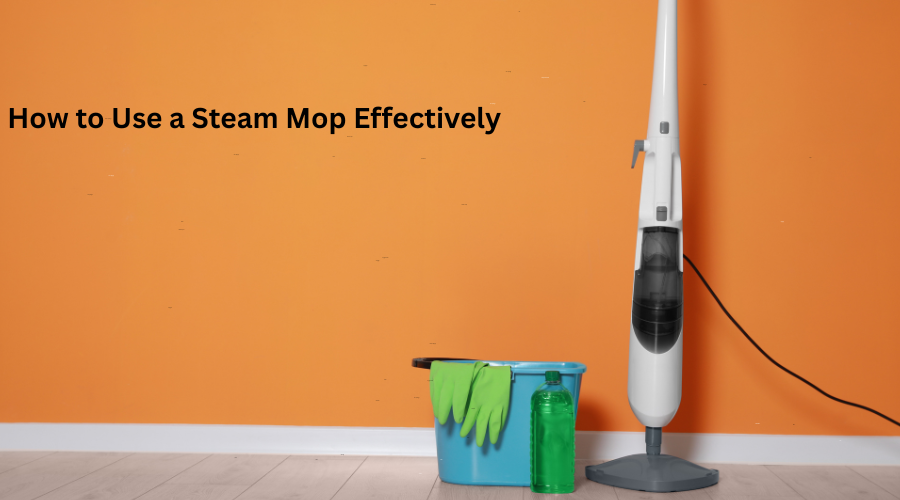
You already know that clean floors are not just about appearance. In a facility environment, a sparkling floor means compliance with hygiene regulations. and the professional standard your cleaning team is expected to maintain every single day. The tools you use matter. And so does the way you use them.
A quality steam mop is one of the most effective pieces of equipment in a maintenance team's supplies closet. But here is the part that often gets overlooked: using it incorrectly can cause more damage than the dirt it was meant to remove. Warped floorboards, voided warranties, slippery residue, and burned-out heating elements are all consequences of technique errors that are entirely avoidable.
This guide dives deep into everything you need to know for using steam mop effectively. From pre-cleaning preparation to surface-specific technique. We will cover steam mop use best practices as well as equipment maintenance habits that protect your investment. But core goal of this guide is on how to get consistent, professional results without the costly mistakes.
Before you can use a tool well, you need to understand how it functions. A steam mop heats water in an internal tank to temperatures between 120 and 150 degrees Celsius. At these temperatures the water converts into pressurized steam that is delivered through a mop pad onto the floor surface. The heat is what boosts the cleaning effectiveness. It loosens dirt, breaks down grease, and kills a significant percentage of common bacteria and dust mites on contact, without needing chemical detergents.
That is a genuine advantage in facility environments where chemical use is regulated. It is also suitable where floors in food prep areas, healthcare settings, or schools require a higher hygiene standard. Steam sanitizes. A traditional mop just spreads the dirt around.
However, and this is important, steam is also moisture and heat delivered directly to your floor surface. Applied incorrectly, to the wrong surface or at the wrong setting, it can cause irreversible damage. So, if you are on the cleaning staff you need to know your equipment and your surface. It is the foundation of safe, effective steam mop use.
Skipping preparation is where most technique errors happen. A steam mop is not a substitute for dry cleaning. It is the step that follows it
Before you bring the steam mop onto any floor surface, work through this preparation sequence carefully:
Sweep or vacuum the floor first, without exception.
Steam does not lift solid debris. Dragging grit and particles under a mop pad scratches floor surfaces and wears out the pad much quicker. This step takes minutes and protects both your floor and your equipment.
Not every floor surface tolerates steam. Unsealed hardwood, laminate with damaged seams, natural stone without sealer, and certain vinyl tiles, all absorb moisture. The result is warping and swelling of the floorboards or tiles exposed to sustained steam exposure. Always verify the floor manufacturer's guidelines before proceeding. When in doubt, test a small inconspicuous area first and observe the result after drying.
Check the mop pad for embedded debris, tears, or excessive wear. All these can scratch the floor surface. After this, inspect the water tank for scale buildup around the inlet. Check the nozzle for blockages that can cause uneven steam distribution. A two-minute equipment check before each use prevents mid-session failures. It also extends the lifespan of the mop considerably.
With preparation complete, you are now ready; to apply the steam mop.
Use distilled or demineralized water wherever possible. Tap water contains minerals that accumulate inside the heating element over time. This tends to reduce steam mop efficiency and eventually causes permanent damage to the unit. Fill only to the marked maximum line. Overfilling creates pressure inconsistencies and can cause steam to spit rather than flow evenly.
Most quality steam mops offer variable steam settings like low, medium, and high. Match the setting to the surface and the soil level. Light cleaning on sealed hardwood requires a low setting. But for heavy-duty tile cleaning or grout work a high steam setting works best. The correct way to do it is to start low and adjust upward. Excess steam on a sensitive surface is a risk you cannot undo once the damage is done.
Do not begin mopping the moment you switch the unit on. Most steam mops require 20 to 45 seconds to reach the peak steam diffusion. Starting without giving the mop time to heat up results in uneven moisture delivery. This can leave wet patches on the floor surface rather than a clean, dry finish.
Move the mop in slow, overlapping straight passes. Do not move it like a traditional mop, with rapid back-and-forth scrubbing. Slow, deliberate movement gives the steam enough contact time with the surface to sanitize and loosen soiling effectively. Rushing the pace is one of the most common reasons steam mop efficiency falls short of expectations.
A dirty mop pad only spreads the debris rather than removing it. In large facilities, plan for multiple pad changes per cleaning session. The frequency of changing pads should be according to floor area covered and the amount of soil covered. Never continue with a saturated or heavily soiled pad.
When you are finished, switch the steam mop off and allow it to cool fully before emptying the remaining water from the tank. Leaving water in the tank until next use means that mineral deposits will build up. In humid storage environments, stagnant water in the tank can promote bacterial growth inside the steam mop. Empty it. Every time.
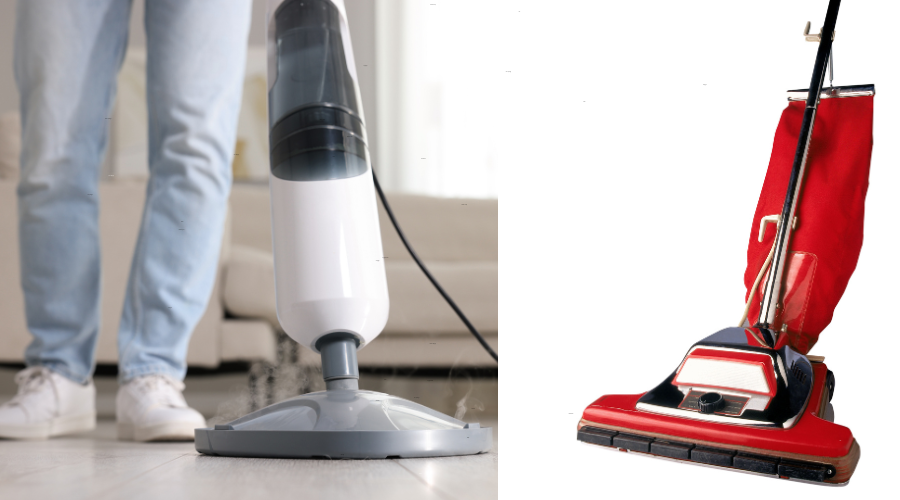
Adjusting your approach by surface type is the way to professional cleaning expertise.
Tile and grout: This is where a quality steam mop delivers the best performance. High steam output combined with a scrubbing pad attachment cuts through grease and grime in grout lines effectively.
Sealed hardwood and laminate: Proceed with caution here. Use the lowest steam setting. Continuously move the mop at all times, and never hold the mop stationary on the surface. Prolonged steam contact on wood-based floors causes moisture to penetrate seams and edges. Over time, that will lead to warping.
Vinyl and linoleum: These surfaces are well-suited to steam cleaning at medium settings. Both of these floor types are moisture-tolerant and respond well to regular steam maintenance.
Surfaces to strictly avoid: Unsealed hardwood, unglazed natural stone, unsealed grout, waxed floors, and any laminate or vinyl with visible damage to the surface layer. Steam on these surfaces causes damage that is difficult and expensive to reverse.
A quality steam mop in the hands of a well-trained maintenance professional is one of the most efficient and hygienic floor-cleaning tools available. But having the correct equipment is only part of the equation. You need to know how to apply the equipment to different application scenarios. That means having the right technique, surface awareness, and maintenance discipline.
Follow the steps in this guide help maintain consistency, and you will see the results in cleaner floors, longer equipment life, and fewer costly surface repairs. That is not a small return for getting the process right.
Highlights Reliable China cleaning produc
READ FULLHighlights Antimicrobial mops
READ FULLIt is much simpler to find a supplier for any product since B2B platforms have become popular. Th
READ FULL