




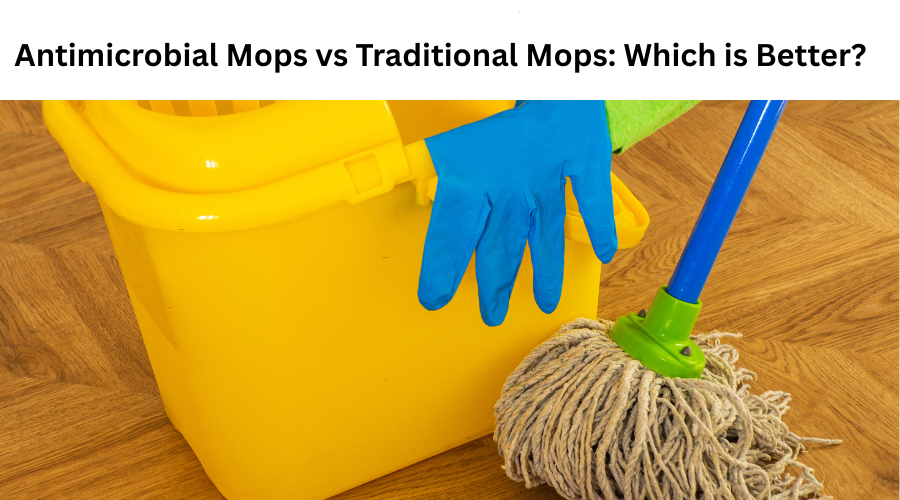
Both seem to be similar if you look at it from a standard point of view. But when you look at them through physical features, things will not be the same. Mops wipe the surface and can perform consistently for a long time. The problem comes when they start having bacterial colonies. It happens because of long-term moisture retention, and this factor creates lots of differences in hygiene. The healthcare sector knows how these bacterial colonies can cause severe risk of infections and disease in homes, hospitals, and industrial places. To get a better idea, you can have a comparison between antimicrobial mops and traditional mops below.
The difference comes from the resistance level to bacterial growth. It is common with mops because they have the highest contact with moisture, which makes them prone to bacterial growth. Antimicrobial mops have different materials and sewing patterns of mop strings compared to traditional mops. These two factors reduce the risk of bacterial growth. You will find more in detail in the following section.
Antimicrobial mops do not have cotton fabric as mop heads. Cotton retains bacterial colonies faster than antimicrobial materials. In contrast, antimicrobial ones have synthetic material with some extra coatings in some cases. Those coats prevent the risk of having bacterial colonies. When the moisture remains longer, the risk of bacterial growth increases. Fabrics like cotton have the least resistance to such threats.
They have rayon or microfiber heads, which have better resistance to microbial growth. These materials have natural resistance at a basic level, which increases after the addition of special coats. These coats are of silver ions, which prevent the bacteria from making their colonies. These silver ions prevent bacterial growth longer than a standard fabric like cotton. As a result, antimicrobial mops become a better option, especially for sensitive places like hospitals, homes, and daycare homes.
No, they are pricier than traditional mops. Since antimicrobial mops have additional coats, the production cost is higher than that of traditional ones. Moreover, the quality of microfiber and similar materials is higher, which is why they are slightly costlier and more durable. Another factor is the perception of customers that trusts antimicrobial mops more for safer results.
Although the price of antimicrobial mops is higher, they offer long-term returns. They last longer, they prevent microbial growth better, and they wipe the dirt better. These elements make the antimicrobial type a better option, especially in the healthcare and residential sectors.
Antimicrobial mops last longer, and we shared the reason above. It is about the material durability and performance, which make them survive longer. As a result, end consumers prefer to use them more. The priority of consumers is hygiene, and they can not compromise on it. Babies, toddlers, and even preschoolers are at the highest risk of bacterial attack.
Even a mop can spread germs if it is filled with bacterial colonies. An infected mop is more dangerous because it can further spread germs that are already growing in it. No matter how strong surface cleaners you use, the problem is the bacterial growth in them.
Traditional mops get odorous faster because they can not resist bacterial colonies much longer. As soon as bacteria grow in them, the risk of odor increases, and a wet mop can easily spread more germs. Cotton can not resist bacterial growth since it does not have special resistance power. It does not even have a special coat that can help it prevent odor.
On the other hand, microfiber and rayon have special silver ion coats to prevent such odor. Their mops prevent odor longer, and that shows why they are preferred more.
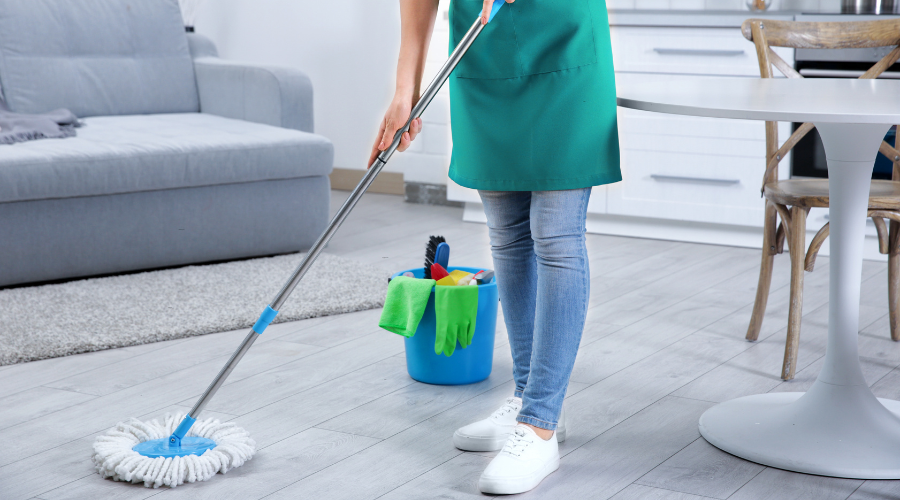
Yes, they require special care if users want to prevent odor and high bacterial growth. The best way to prevent these problems in these mops is to dry them well before placing them back in the storage room. Also, placing them under UV rays, whether natural or artificial rays, will reduce the risk of early bacterial growth.
Using harsh chemicals to wash or during mopping may remove special coats from them. Therefore, users need to be careful when using antimicrobial mops. Besides, a hot water wash or a mild detergent wash is enough to remove the basic dirt right after mopping. At the end of mopping activities, it is better to rinse them in clean and warm water to remove residues of dirt and chemicals. Such residues can cause odor in mops.
If the mop heads are replaceable, it is better to replace them after a month or a couple of months of frequent use. It all depends on the usage level, which is why some suggest that 100 washes are good enough to replace mop heads. However, some may replace it earlier than that because it depends on the kind of surface people have to deal with.
Yes, they require surface cleaning agents to remove dirt and bacteria better. Only a water mop is never enough if the target is to eliminate bacteria from the floor. However, residential users may use a water mop in some places that are not prone to extreme bacterial risk.
The answer is both. Again, it is about the purpose and cost that end consumers are comfortable with. However, antimicrobial mops have an edge in terms of durability, performance, and odor prevention. They wipe the dirt and grime better than traditional mops. Also, they prevent odor since they have special silver ion coats. Even the ones that do not have protective coats can also resist the risk of bacterial colonies.
End consumers who use mops have to face lots of problems, like odor that starts coming as the mop gets slightly older. Such odor makes them look susceptible to the chance of bacterial multiplication, which can lead to floor-borne diseases. People who use these mops want consistent hygiene in the long term. They want durable performance from mop heads that need replacement after some time, but it is about the prevention of bacterial growth. Such a risk of bacteria can cause odor and lead to diseases for sensitive individuals like children, babies, and patients.
Highlights Reliable China cleaning produc
READ FULLHighlights Antimicrobial mops
READ FULLIt is much simpler to find a supplier for any product since B2B platforms have become popular. Th
READ FULL